CRM and Email Automation for Small Businesses in 2025
With rising customer expectations, evolving buying behavior, businesses that automate and manage relationships effectively will be the ones that thrive.
Marketing Automation & CRM
Nov 8, 2025
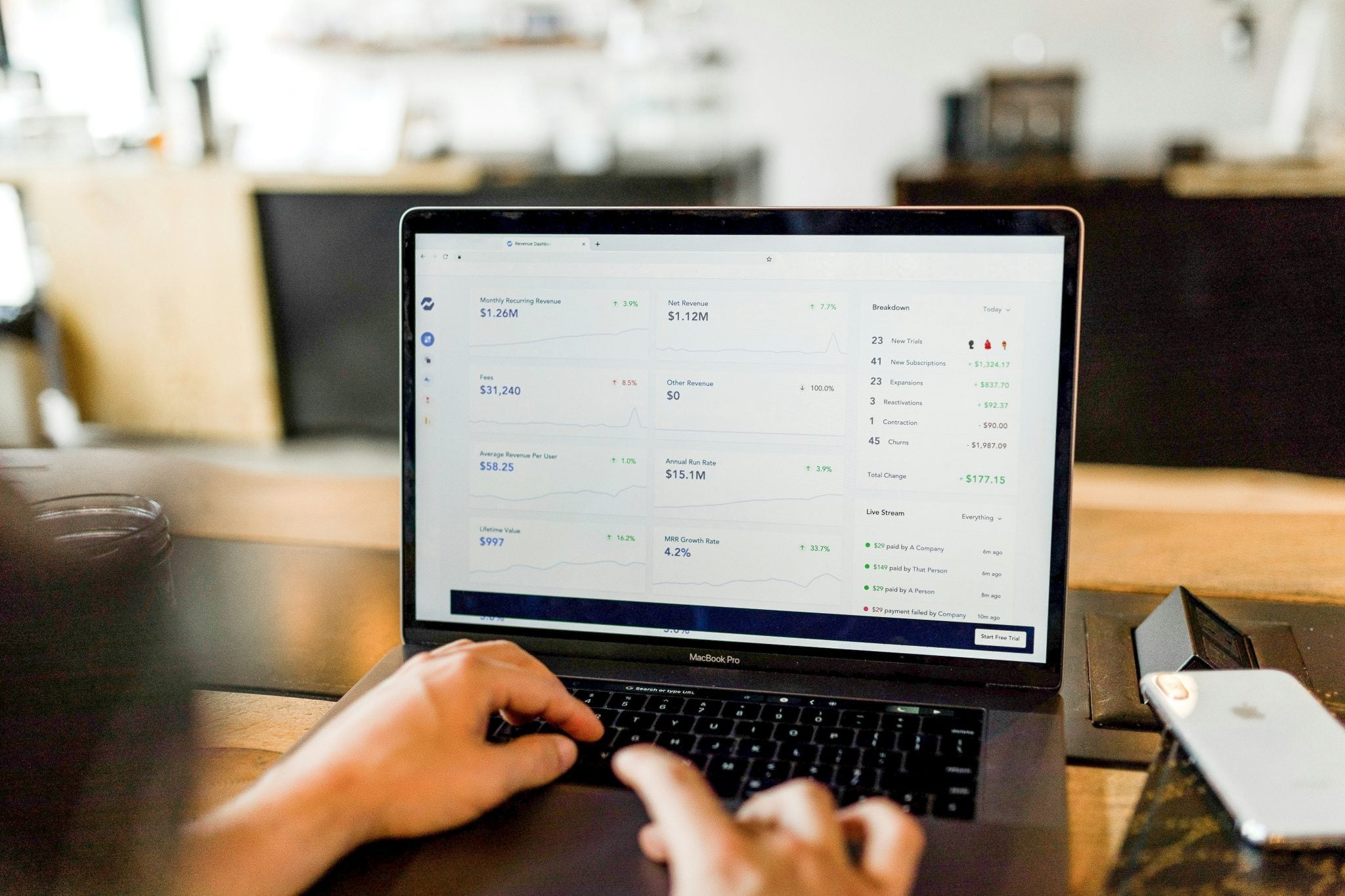
In 2025, small and medium-sized businesses (SMBs) can no longer afford to rely solely on manual marketing efforts or disjointed tools. With rising customer expectations, evolving buying behavior, and tighter budgets, businesses that automate their outreach and manage relationships effectively will be the ones that thrive.
That’s where email marketing and CRM automation step in — not as buzzwords, but as essential growth tools. According to HubSpot, 80% of marketers say marketing automation tools improve lead generation, and the Digital Marketing Institute confirms: personalization, automation, and smart data use will dominate digital marketing in 2025.
Why CRM Is No Longer Optional for SMBs
CRM (Customer Relationship Management) tools have evolved beyond just being a place to store contact info. They’re now intelligent command centers where sales, marketing, and service work in sync. For SMBs, the stakes are higher: missed follow-ups, manual errors, and untracked customer behavior = lost revenue.
Here’s why a CRM is a must-have, not a nice-to-have:
Over 5,000 Canadian companies now use HubSpot to manage sales, marketing, and customer support in one place【source: HubSpot】.
Businesses using CRMs see up to 29% increase in sales, 34% improvement in sales productivity, and 42% better forecasting accuracy.
SMBs using a CRM are 3x more likely to retain customers and improve lifetime value, according to Salesforce data.
In 2025, businesses of all sizes are expected to rely more on first-party data to fuel campaigns, especially with third-party cookies fading out. A CRM doesn’t just store data — it activates it. It tells you who your customer is, what they care about, and when to reach out.
Email Marketing: Still King (But Smarter)
Email continues to be one of the highest-performing marketing channels — and it’s getting even better with automation and personalization.
According to HubSpot:
The average email marketing ROI is $36 for every $1 spent
Personalized emails boost open rates by 26%
Campaigns using AI-generated subject lines and content see up to 41% higher open and click-through rates【source: martal.ca】
Additional stats worth noting:
The average email open rate across industries is 21.33%
Email marketing drives 2–2.8% conversion rates on average
Mobile opens now account for over 60% of email views
But it’s not just about blasting newsletters anymore.
To be effective, your emails must:
Be segmented based on user behavior and lifecycle stage
Include dynamic content that adjusts per recipient
Be sent at optimized times using automation triggers
For example, a local med spa might send a “15% off” reminder only to users who clicked a pricing page but didn’t book — rather than emailing the entire list. This type of logic, powered by tools like HubSpot or MailerLite, is now expected by your audience.
How Automation Saves Time and Increases Conversions
The biggest pain point for most SMBs? Time. Teams are lean, and juggling multiple tools or processes kills productivity.
That’s why automation is becoming a central pillar in 2025 marketing stacks — not just for enterprise companies, but for growing local businesses too.

Here’s how automation delivers ROI:
1. Frees up your time
Automate welcome sequences, appointment confirmations, and follow-ups
Set up cart abandonment flows or service reminders
Focus on closing deals — not chasing email replies
2. Improves lead nurturing
Trigger emails or texts based on website activity (ex: form fills, pricing page visits)
Use lead scoring to identify sales-ready prospects
Deliver the right message at the right time
3. Increases conversions
Nurtured leads make 47% larger purchases than non-nurtured leads
Businesses using marketing automation see 451% increase in qualified leads (LinkedIn B2B stats)
Automated workflows reduce manual errors and boost consistency
According to Amra & Elma, small businesses using CRM + email automation together saw 300% better contract close rates than those using email alone.


What This Looks Like in Real Life (for SMBs)
Let’s look at a few real-world examples of how this plays out:
Contractors
A lead fills out a form to get a quote. The CRM tags them as “new lead” and automatically sends a personalized email with a welcome message and booking link. If they don’t respond within 48 hours, the system sends a reminder. If they open the email and click but don’t book, a second sequence offers a limited-time discount.
→ Outcome: higher conversion, less chasing.
Retail or eCom
A customer buys a product. CRM triggers a thank-you email, waits 14 days, then sends a cross-sell offer based on what they bought.
→ Outcome: more lifetime value with no extra effort.
Med Spas & Clinics
A user browses a service page (e.g. facials) but doesn’t book. CRM flags the lead and starts a nurturing sequence with educational content + a first-time booking offer.
→ Outcome: win back lost traffic and boost appointment rates.
The Human Element Still Matters Though
Here’s the thing: automation and CRM don’t replace your voice — they amplify it. You still need:
Strong, human-written messaging
Clear value propositions
Thoughtful branding
The difference is you don’t have to manually send every email, log every follow-up, or remember every birthday. That’s what smart tools are for.
In fact, brands that combine automation with authentic communication see far higher engagement than those using templated or robotic outreach.
Getting Started with CRM + Automation
If you’re an SMB looking to finally take control of your pipeline, CRM and email automation are low-hanging fruit for 2025 success.
You don’t need to overcomplicate it. Start simple:
Choose your CRM platform
→ HubSpot, MailerLite, Zoho, or GoHighLevel are great for SMBsSet up basic automation flows
→ Welcome series, lead follow-ups, booking remindersTrack and optimize
→ Look at open rates, conversion points, and drop-off areas

More to Discover


CRM and Email Automation for Small Businesses in 2025
With rising customer expectations, evolving buying behavior, businesses that automate and manage relationships effectively will be the ones that thrive.
Marketing Automation & CRM
Nov 8, 2025
In 2025, small and medium-sized businesses (SMBs) can no longer afford to rely solely on manual marketing efforts or disjointed tools. With rising customer expectations, evolving buying behavior, and tighter budgets, businesses that automate their outreach and manage relationships effectively will be the ones that thrive.
That’s where email marketing and CRM automation step in — not as buzzwords, but as essential growth tools. According to HubSpot, 80% of marketers say marketing automation tools improve lead generation, and the Digital Marketing Institute confirms: personalization, automation, and smart data use will dominate digital marketing in 2025.
Why CRM Is No Longer Optional for SMBs
CRM (Customer Relationship Management) tools have evolved beyond just being a place to store contact info. They’re now intelligent command centers where sales, marketing, and service work in sync. For SMBs, the stakes are higher: missed follow-ups, manual errors, and untracked customer behavior = lost revenue.
Here’s why a CRM is a must-have, not a nice-to-have:
Over 5,000 Canadian companies now use HubSpot to manage sales, marketing, and customer support in one place【source: HubSpot】.
Businesses using CRMs see up to 29% increase in sales, 34% improvement in sales productivity, and 42% better forecasting accuracy.
SMBs using a CRM are 3x more likely to retain customers and improve lifetime value, according to Salesforce data.
In 2025, businesses of all sizes are expected to rely more on first-party data to fuel campaigns, especially with third-party cookies fading out. A CRM doesn’t just store data — it activates it. It tells you who your customer is, what they care about, and when to reach out.
Email Marketing: Still King (But Smarter)
Email continues to be one of the highest-performing marketing channels — and it’s getting even better with automation and personalization.
According to HubSpot:
The average email marketing ROI is $36 for every $1 spent
Personalized emails boost open rates by 26%
Campaigns using AI-generated subject lines and content see up to 41% higher open and click-through rates【source: martal.ca】
Additional stats worth noting:
The average email open rate across industries is 21.33%
Email marketing drives 2–2.8% conversion rates on average
Mobile opens now account for over 60% of email views
But it’s not just about blasting newsletters anymore.
To be effective, your emails must:
Be segmented based on user behavior and lifecycle stage
Include dynamic content that adjusts per recipient
Be sent at optimized times using automation triggers
For example, a local med spa might send a “15% off” reminder only to users who clicked a pricing page but didn’t book — rather than emailing the entire list. This type of logic, powered by tools like HubSpot or MailerLite, is now expected by your audience.
How Automation Saves Time and Increases Conversions
The biggest pain point for most SMBs? Time. Teams are lean, and juggling multiple tools or processes kills productivity.
That’s why automation is becoming a central pillar in 2025 marketing stacks — not just for enterprise companies, but for growing local businesses too.
Here’s how automation delivers ROI:
1. Frees up your time
Automate welcome sequences, appointment confirmations, and follow-ups
Set up cart abandonment flows or service reminders
Focus on closing deals — not chasing email replies
2. Improves lead nurturing
Trigger emails or texts based on website activity (ex: form fills, pricing page visits)
Use lead scoring to identify sales-ready prospects
Deliver the right message at the right time
3. Increases conversions
Nurtured leads make 47% larger purchases than non-nurtured leads
Businesses using marketing automation see 451% increase in qualified leads (LinkedIn B2B stats)
Automated workflows reduce manual errors and boost consistency
According to Amra & Elma, small businesses using CRM + email automation together saw 300% better contract close rates than those using email alone.
What This Looks Like in Real Life (for SMBs)
Let’s look at a few real-world examples of how this plays out:
Contractors
A lead fills out a form to get a quote. The CRM tags them as “new lead” and automatically sends a personalized email with a welcome message and booking link. If they don’t respond within 48 hours, the system sends a reminder. If they open the email and click but don’t book, a second sequence offers a limited-time discount.
→ Outcome: higher conversion, less chasing.
Retail or eCom
A customer buys a product. CRM triggers a thank-you email, waits 14 days, then sends a cross-sell offer based on what they bought.
→ Outcome: more lifetime value with no extra effort.
Med Spas & Clinics
A user browses a service page (e.g. facials) but doesn’t book. CRM flags the lead and starts a nurturing sequence with educational content + a first-time booking offer.
→ Outcome: win back lost traffic and boost appointment rates.
The Human Element Still Matters Though
Here’s the thing: automation and CRM don’t replace your voice — they amplify it. You still need:
Strong, human-written messaging
Clear value propositions
Thoughtful branding
The difference is you don’t have to manually send every email, log every follow-up, or remember every birthday. That’s what smart tools are for.
In fact, brands that combine automation with authentic communication see far higher engagement than those using templated or robotic outreach.
Getting Started with CRM + Automation
If you’re an SMB looking to finally take control of your pipeline, CRM and email automation are low-hanging fruit for 2025 success.
You don’t need to overcomplicate it. Start simple:
Choose your CRM platform
→ HubSpot, MailerLite, Zoho, or GoHighLevel are great for SMBsSet up basic automation flows
→ Welcome series, lead follow-ups, booking remindersTrack and optimize
→ Look at open rates, conversion points, and drop-off areas
More to Discover
CRM and Email Automation for Small Businesses in 2025
With rising customer expectations, evolving buying behavior, businesses that automate and manage relationships effectively will be the ones that thrive.
Marketing Automation & CRM
Nov 8, 2025
In 2025, small and medium-sized businesses (SMBs) can no longer afford to rely solely on manual marketing efforts or disjointed tools. With rising customer expectations, evolving buying behavior, and tighter budgets, businesses that automate their outreach and manage relationships effectively will be the ones that thrive.
That’s where email marketing and CRM automation step in — not as buzzwords, but as essential growth tools. According to HubSpot, 80% of marketers say marketing automation tools improve lead generation, and the Digital Marketing Institute confirms: personalization, automation, and smart data use will dominate digital marketing in 2025.
Why CRM Is No Longer Optional for SMBs
CRM (Customer Relationship Management) tools have evolved beyond just being a place to store contact info. They’re now intelligent command centers where sales, marketing, and service work in sync. For SMBs, the stakes are higher: missed follow-ups, manual errors, and untracked customer behavior = lost revenue.
Here’s why a CRM is a must-have, not a nice-to-have:
Over 5,000 Canadian companies now use HubSpot to manage sales, marketing, and customer support in one place【source: HubSpot】.
Businesses using CRMs see up to 29% increase in sales, 34% improvement in sales productivity, and 42% better forecasting accuracy.
SMBs using a CRM are 3x more likely to retain customers and improve lifetime value, according to Salesforce data.
In 2025, businesses of all sizes are expected to rely more on first-party data to fuel campaigns, especially with third-party cookies fading out. A CRM doesn’t just store data — it activates it. It tells you who your customer is, what they care about, and when to reach out.
Email Marketing: Still King (But Smarter)
Email continues to be one of the highest-performing marketing channels — and it’s getting even better with automation and personalization.
According to HubSpot:
The average email marketing ROI is $36 for every $1 spent
Personalized emails boost open rates by 26%
Campaigns using AI-generated subject lines and content see up to 41% higher open and click-through rates【source: martal.ca】
Additional stats worth noting:
The average email open rate across industries is 21.33%
Email marketing drives 2–2.8% conversion rates on average
Mobile opens now account for over 60% of email views
But it’s not just about blasting newsletters anymore.
To be effective, your emails must:
Be segmented based on user behavior and lifecycle stage
Include dynamic content that adjusts per recipient
Be sent at optimized times using automation triggers
For example, a local med spa might send a “15% off” reminder only to users who clicked a pricing page but didn’t book — rather than emailing the entire list. This type of logic, powered by tools like HubSpot or MailerLite, is now expected by your audience.
How Automation Saves Time and Increases Conversions
The biggest pain point for most SMBs? Time. Teams are lean, and juggling multiple tools or processes kills productivity.
That’s why automation is becoming a central pillar in 2025 marketing stacks — not just for enterprise companies, but for growing local businesses too.
Here’s how automation delivers ROI:
1. Frees up your time
Automate welcome sequences, appointment confirmations, and follow-ups
Set up cart abandonment flows or service reminders
Focus on closing deals — not chasing email replies
2. Improves lead nurturing
Trigger emails or texts based on website activity (ex: form fills, pricing page visits)
Use lead scoring to identify sales-ready prospects
Deliver the right message at the right time
3. Increases conversions
Nurtured leads make 47% larger purchases than non-nurtured leads
Businesses using marketing automation see 451% increase in qualified leads (LinkedIn B2B stats)
Automated workflows reduce manual errors and boost consistency
According to Amra & Elma, small businesses using CRM + email automation together saw 300% better contract close rates than those using email alone.
What This Looks Like in Real Life (for SMBs)
Let’s look at a few real-world examples of how this plays out:
Contractors
A lead fills out a form to get a quote. The CRM tags them as “new lead” and automatically sends a personalized email with a welcome message and booking link. If they don’t respond within 48 hours, the system sends a reminder. If they open the email and click but don’t book, a second sequence offers a limited-time discount.
→ Outcome: higher conversion, less chasing.
Retail or eCom
A customer buys a product. CRM triggers a thank-you email, waits 14 days, then sends a cross-sell offer based on what they bought.
→ Outcome: more lifetime value with no extra effort.
Med Spas & Clinics
A user browses a service page (e.g. facials) but doesn’t book. CRM flags the lead and starts a nurturing sequence with educational content + a first-time booking offer.
→ Outcome: win back lost traffic and boost appointment rates.
The Human Element Still Matters Though
Here’s the thing: automation and CRM don’t replace your voice — they amplify it. You still need:
Strong, human-written messaging
Clear value propositions
Thoughtful branding
The difference is you don’t have to manually send every email, log every follow-up, or remember every birthday. That’s what smart tools are for.
In fact, brands that combine automation with authentic communication see far higher engagement than those using templated or robotic outreach.
Getting Started with CRM + Automation
If you’re an SMB looking to finally take control of your pipeline, CRM and email automation are low-hanging fruit for 2025 success.
You don’t need to overcomplicate it. Start simple:
Choose your CRM platform
→ HubSpot, MailerLite, Zoho, or GoHighLevel are great for SMBsSet up basic automation flows
→ Welcome series, lead follow-ups, booking remindersTrack and optimize
→ Look at open rates, conversion points, and drop-off areas